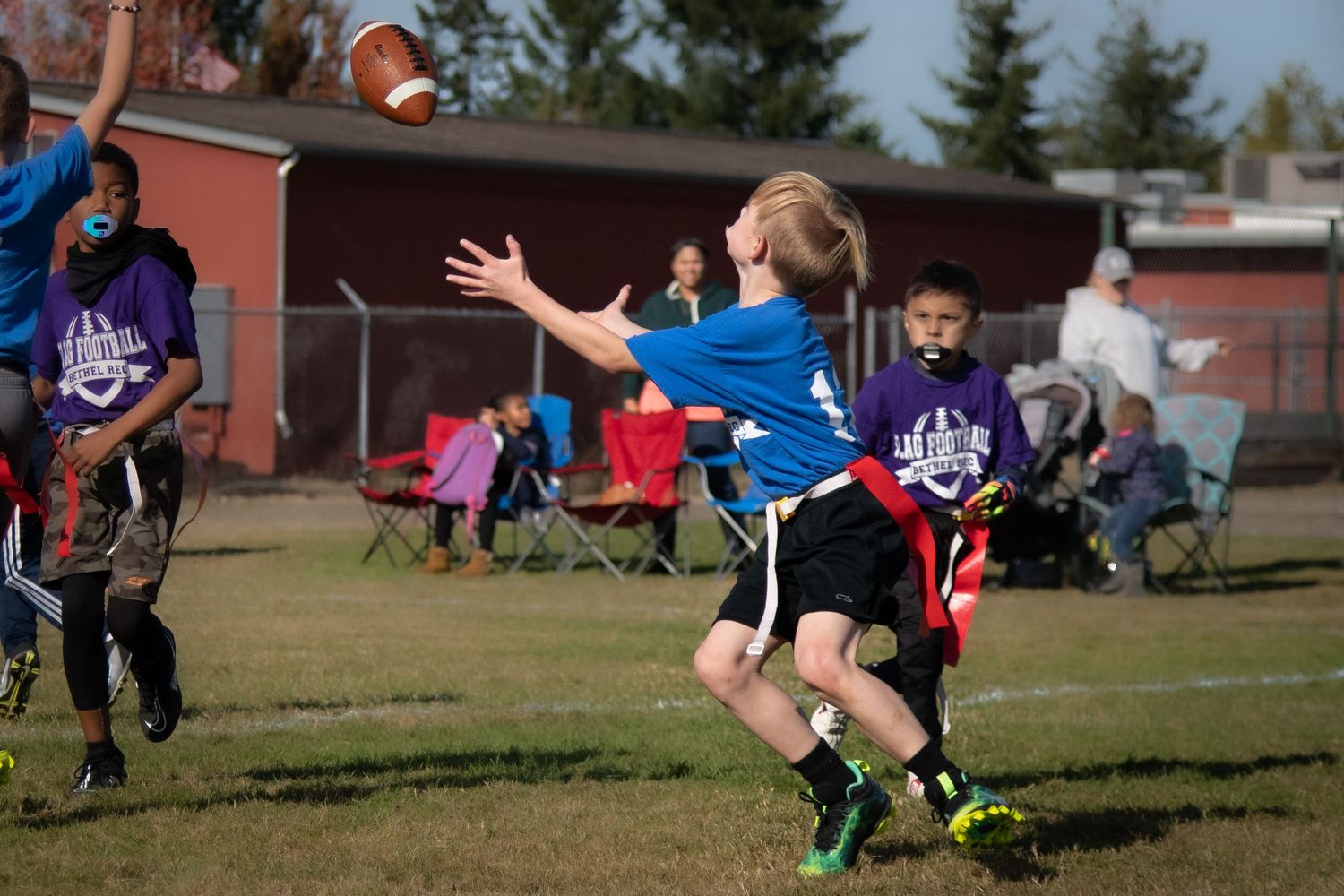
Are you ready to elevate your photography game? The rules of photography may seem restrictive, but they are actually the key to unlocking your true potential as a photographer. These traditional principles of design and composition, such as the rule of thirds, golden ratio, and leading lines, provide a solid foundation for creating visually stunning and effective images. Embrace these rules, understand them, and use them as a starting point to enhance your unique perspective and style. It's time to push the boundaries and challenge yourself to create images that are not only technically sound but also visually captivating. So grab your camera, and let's explore the endless possibilities of photography, one rule at a time.
Some common rules of photography include:
- The rule of thirds: This rule suggests that an image can be divided into nine equal parts by drawing two equally-spaced horizontal lines and two equally-spaced vertical lines. The theory is that if you place your subject along these lines, or at the intersections of them, your photo will be more balanced and will have more visual interest.
- The golden ratio: This rule is based on the mathematical concept of the golden ratio, which is a ratio of approximately 1:1.618. According to this rule, you should place your main subject at one of the points where the ratio is achieved in the image.
- Leading lines: This rule suggests that you should use lines in your image to lead the viewer's eye to your main subject or to guide them through the image.
- Simplicity: This rule suggests that you should try to keep your images simple and uncluttered, with a clear focus on your main subject.
- Balance: This rule suggests that you should try to balance the elements in your image so that they are evenly distributed and create a sense of harmony.
Remember, these are just a few examples of the many "rules" that are used in photography. It's up to you as the photographer to decide which rules to follow and which ones to break, depending on your artistic vision and the message you want to convey with your images.