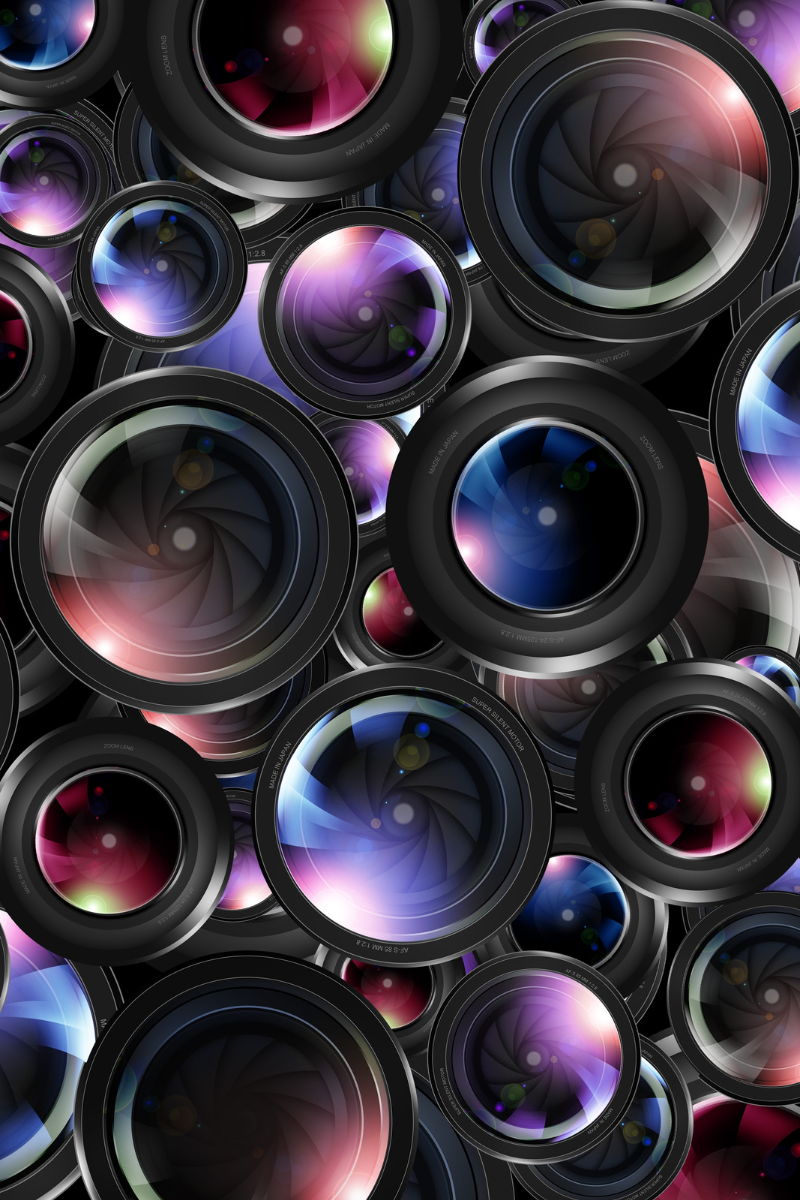
Wow, lenses are one of the most exciting and crucial parts of photography! They are the eyes of your camera and determine the kind of image you'll capture. Different lenses have unique characteristics that allow you to capture a variety of stunning photos!
Here are some of the most common types of lenses, and their incredible uses:
Standard Lens: The most versatile of all lenses! This lens provides a normal field of view, similar to what our eyes see, and is perfect for everyday photography.
Wide-Angle Lens: Want to capture a wider field of view? Then a wide-angle lens is perfect for you! This lens is ideal for landscape and architectural photography.
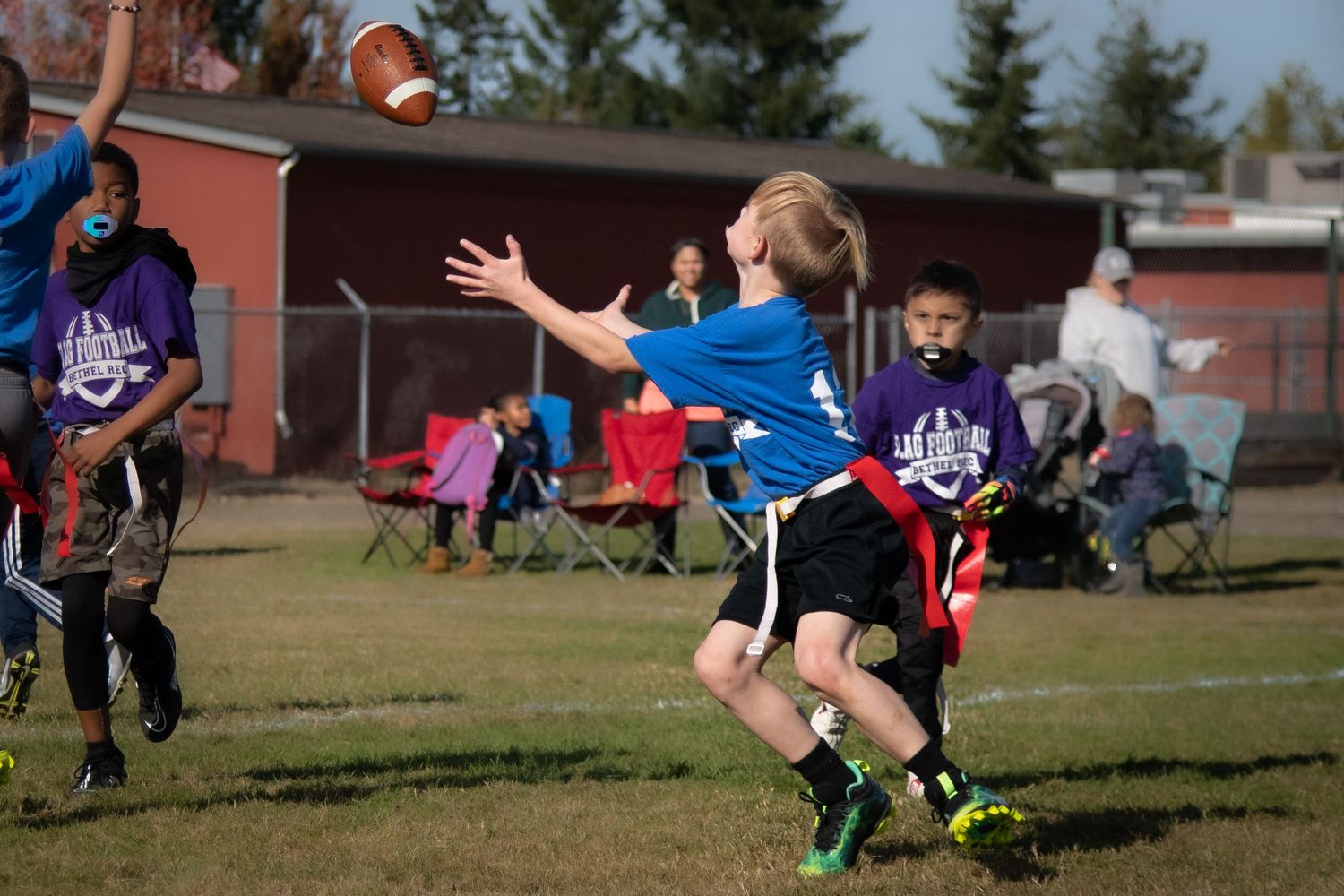
Telephoto Lens: Want to get up close and personal with your subject? A telephoto lens is the way to go! This lens allows you to capture distant objects with incredible detail, making it perfect for wildlife and sports photography.
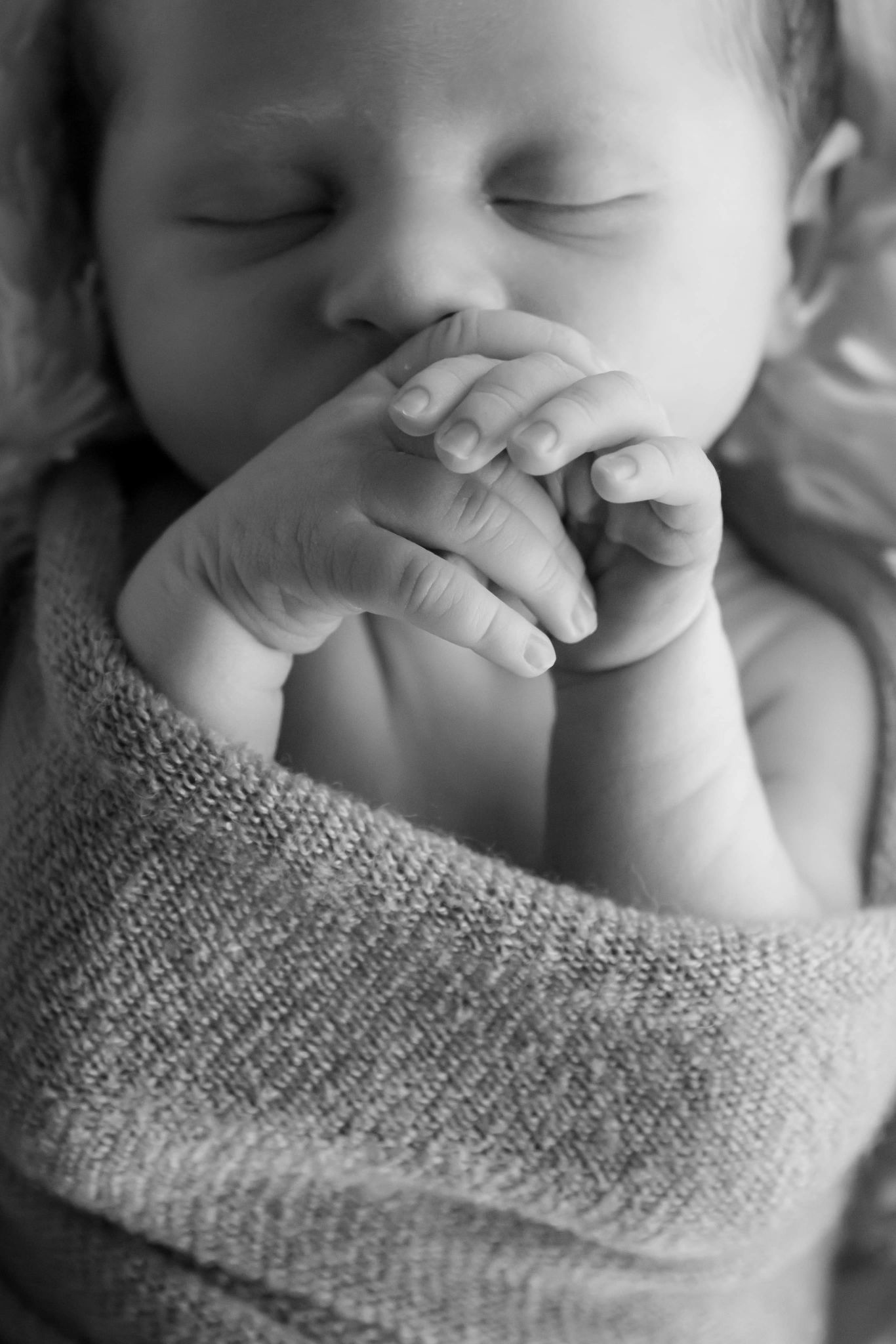
Macro Lens: Looking to capture small objects in incredible detail? Then a macro lens is a must-have! This lens is designed to take super close-up photos, allowing you to see the tiniest details in stunning clarity.
Zoom Lens: Want the flexibility to capture a wide range of focal lengths without having to switch lenses? Then a zoom lens is perfect for you! This lens lets you zoom in and out to capture a variety of compositions.
With these lenses, the possibilities for stunning photos are endless! So go ahead, experiment with different lenses, and discover the magic of photography!
Here are some factors to consider when choosing a lens:
- Focal length: The focal length of a lens determines its magnification and the field of view it captures. Wide-angle lenses have shorter focal lengths and capture a wider field of view, while telephoto lenses have longer focal lengths and capture a narrower field of view.
- Aperture: The aperture of a lens determines the amount of light that is allowed to pass through the lens and reach the camera's sensor. Lenses with wider apertures (smaller f-numbers) let in more light and are useful in low light situations, while lenses with narrower apertures (larger f-numbers) let in less light and are useful for capturing images with a large depth of field.
- Subject matter: The subject matter of your photograph should also be considered when choosing a lens. For example, if you are photographing a landscape, a wide-angle lens would be a good choice. If you are photographing a portrait, a telephoto lens would be more suitable.
- Budget: Lenses can vary greatly in price, so it's important to consider your budget when choosing a lens. While more expensive lenses may have better image quality and build quality, there are also many affordable lenses that can produce great results.
It's often a good idea to have a variety of lenses in your camera bag so that you have options to choose from depending on the situation. Experimenting with different lenses can help you find the one that works best for your needs and style.